
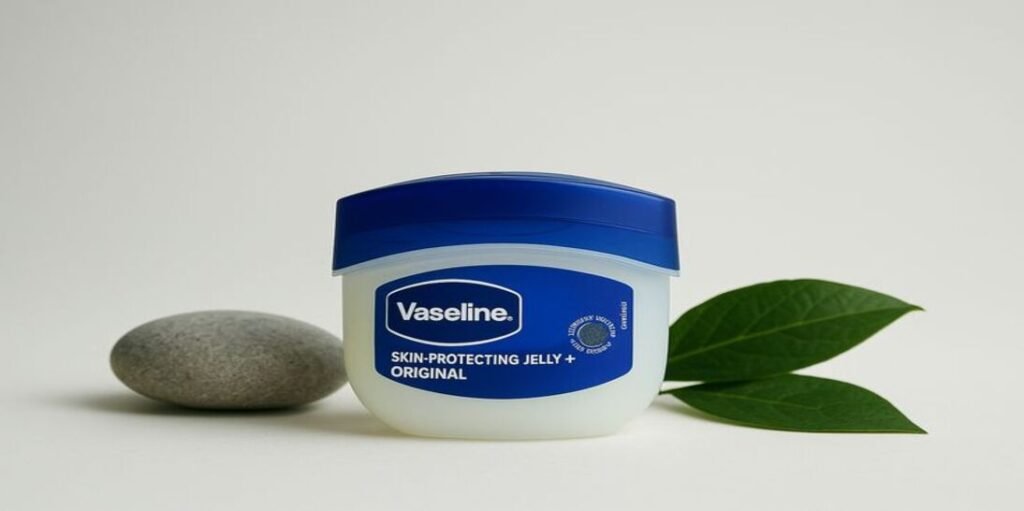
Vaseline became the obvious choice for skin healing by combining 155 years of heritage trust with modern cultural reinvention, scientific validation through “Vaseline Verified,” and purpose-driven equity work like “See My Skin.” The brand transformed from a static petroleum jelly product into a culturally relevant, dermatologist-backed skincare authority that listens to communities first, then validates their creativity with science.
What is Vaseline’s Core Position?
Vaseline positions itself as accessible, gentle, and effective skin healing and protection for all skin types and needs. Founded in 1870 by chemist Robert Augustus Chesebrough, the brand has evolved from selling petroleum jelly to actively promoting “equitable skincare for all” as its core purpose
The brand’s mission states: “Vaseline is committed to understanding and supporting skin health for all types of skin, all skin tones, and all skin concerns.” This reflects a shift from product-centric messaging to purpose-driven positioning that addresses healthcare inequities and lack of diversity in dermatological imagery.
Key positioning elements:
- Heritage credibility: 155+ years of consistent use and trust
- Universal accessibility: Affordable pricing and global distribution
- Purpose-led mission: Equitable skincare for all skin tones
- Science-backed solutions: Dermatologist-validated products and information
How Does Vaseline Become the Obvious Choice?
What proof systems make Vaseline’s expertise visible?
Vaseline makes its expertise tangible through five interconnected proof systems that build trust across generations and cultures:
| Proof System | How It Works | Impact |
| Heritage Trust | 155 years of consistent product performance and household recognition | Deep familiarity reduces purchase risk |
| Scientific Validation | “Vaseline Verified” tests creator hacks through dermatologist-backed lab videos | 63.3M interactions, 13.9% retail sales increase, 43% e-commerce growth |
| Equity Leadership | “See My Skin” database addresses <6% representation of skin of color in dermatology | 1,430% increase in dermatology site visitors |
| Cultural Reinvention | Creators share hacks; brand rewards them with up to 15% of inspired product sales | Brand stays relevant through community innovation |
| Accessibility | Affordable pricing and wide retail distribution globally | Removes barriers to healthy skin for diverse communities |
Why do people trust Vaseline over newer brands?
People trust Vaseline because it combines time-tested reliability with modern cultural relevance. Unlike newer brands that must build credibility from scratch, Vaseline benefits from 155 years of proven performance while actively reinventing itself through creator culture and scientific validation.
The “Vaseline Verified” campaign specifically addressed widespread misinformation about petroleum jelly by testing viral skincare hacks and providing dermatologist-backed answers. This transformed the brand from a passive product into an active, trusted information source
What Is Vaseline’s Marketing Strategy and Funnel?
Vaseline’s marketing strategy blends heritage credibility with modern cultural relevance through a six-stage funnel:
| Funnel Stage | Vaseline’s Approach | Results |
| 1. Awareness | Creator content, social-first campaigns, heritage recognition | Constant cultural visibility |
| 2. Interest | “Vaseline Verified” validates popular skincare hacks | Practical, relevant product uses |
| 3. Trust | Dermatologist validation + “See My Skin” equity work | Scientific and social credibility |
| 4. Intent | SEO-optimized content, QR codes on packaging | Active product consideration |
| 5. Purchase | Wide retail availability, affordable pricing | Low-friction access |
| 6. Repeat & Advocacy | Daily-use products, creator rewards, ongoing validation | Loyal user-generated content |
What makes Vaseline’s creator strategy different?
Unilever’s CMO Leandro Barreto explains: “We gave the brand back to the communities and let them reinvent it.” The creator infrastructure rewards top creators with a percentage of sales from products inspired by their hacks—up to 15% of sales go back to creators.
This approach:
- Starts with community behavior, not brand briefs
- Validates creativity with dermatological science
- Shares economic value with culture-builders
- Creates long-term loyalty versus one-off campaigns
What Is Vaseline’s Strategy in One Line?
Make a 155-year-old heritage brand feel culturally current, scientifically validated, and purposefully inclusive.
This single strategic idea captures how Vaseline transformed from a static petroleum jelly product into a dynamic, culturally relevant skincare authority that serves diverse communities while maintaining scientific credibility.
What One Lesson Can We Learn from Vaseline?
How can brands balance heritage with innovation?
Heritage alone is not enough. Vaseline shows that even iconic brands must actively reinvent themselves through three key actions:
- Listen to culture first: Observe how people are already using your product before telling them what it is
- Validate with science: Test, prove, or disprove what people believe to become a trusted authority
- Build purpose into function: Solve real systemic problems, not just create feel-good campaigns.
Your practical takeaway: Before launching your next campaign, ask:
- What are people already doing with products like mine?
- What can I test or validate to add real value?
- What systemic problem can my brand help solve?
Vaseline’s approach proves that expertise becomes visible when you serve communities, validate their creativity, and share the value you create together.
Ready to apply these lessons? Start by observing how your audience already uses products in your category, then find ways to validate, improve, or solve real problems they face. That’s how expertise becomes visible—and how brands become obvious choices.